Why Dental Clinic Sterilization and Hygiene Standards Matter More Than You Think
Why Dental Clinic Sterilization and Hygiene Standards Matter More Than You Think
Most dental clinics tell you they’re “clean and safe.” Almost none can show you what that actually means in practice. Sterilization and infection-control standards are one of the least glamorous parts of dentistry — and one of the most important, because dental procedures routinely involve blood, saliva, and instruments that touch soft tissue and bone.
What “hygiene standards” actually cover in a dental clinic
It’s more than wiping down a chair between patients. A properly run clinic has documented protocols for:
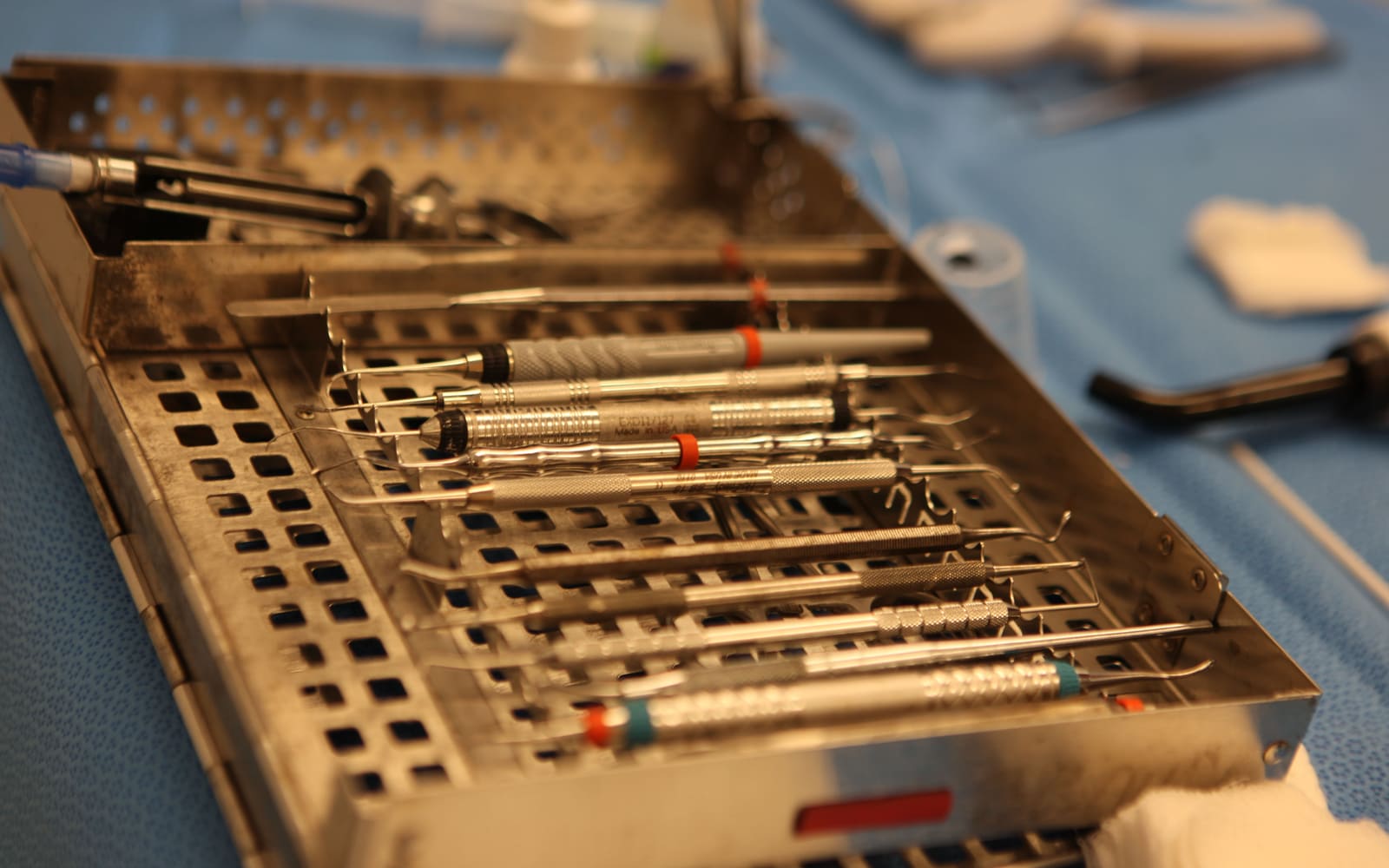
- Sterilizing reusable instruments (typically using an autoclave, which uses pressurized steam — commonly around 121–134°C — to kill bacteria, viruses, and spores)
- Single-use of disposable items like needles, gloves, and certain suction tips
- Surface disinfection between every patient, not just at the end of the day
- Safe handling and disposal of biomedical waste
- Staff training on infection-control protocol, not just equipment ownership
The equipment alone doesn’t guarantee safety. What matters is whether the clinic actually follows a documented, repeatable process — and whether that process is checked, not just assumed.
Why this is harder to verify than it sounds
Patients can’t inspect a sterilization log during a checkup. Most hygiene claims on clinic websites are marketing copy, not evidence. This is where formal hospital accreditation frameworks become useful — not as a marketing badge, but as an actual external audit of whether these protocols are real and followed.
Why NABH accreditation is a meaningful signal
NABH (National Accreditation Board for Hospitals & Healthcare Providers) is India’s formal hospital and healthcare quality accreditation system. Getting NABH-recognized isn’t a form you fill out — it requires a hospital or clinic to document its clinical and safety processes, undergo internal audits, train staff against the standard, and pass an external evaluation by NABH officials.
Dr Megha Kaul, the founder of N Square Dental Care Clinic, holds a formal certification as a NABH Accreditation Standards Professional (2019, via Medvarsity) and has direct, hands-on experience leading a hospital through this exact process. As Hospital Administrator at Kalyani Hospital, Karnal (2015–2016), she personally planned the required changes, ran the internal audits, trained staff on the standards, and liaised with NABH officials through to the hospital achieving its recognition. That’s a materially different level of experience than a clinic simply advertising that it’s “hygienic.”
Why this matters for choosing a clinic, not just understanding the topic
This isn’t an abstract standard to know about — it’s a real, checkable difference between clinics. At N Square Dental Care Clinic in Sector 65, Gurugram, the person who built and audited a hospital’s entire NABH-recognition process is the same person overseeing day-to-day sterilization protocol, not a separate compliance officer several steps removed from patient care. That’s a reasonable thing to weigh when deciding where to get treated, not just when reading about hygiene standards in the abstract.
What this means practically for a patient
It means the person overseeing clinical operations has actually built and audited a quality-and-safety system before, rather than only ever being on the receiving end of one. It’s a reasonable question to ask any dental clinic: who is responsible for your infection-control protocol, and have they ever been externally audited on it?
Frequently asked questions
What is NABH accreditation? NABH (National Accreditation Board for Hospitals & Healthcare Providers) is an Indian quality-standards body that formally accredits hospitals and healthcare facilities after auditing their clinical, safety, and hygiene processes.
Is NABH accreditation required for dental clinics? It’s primarily associated with hospitals rather than being a mandatory requirement for small dental clinics, but the underlying standards it represents — documented sterilization protocols, staff training, and audit processes — are relevant to any clinical setting handling instruments and patient safety.
How can I tell if a dental clinic follows proper sterilization protocols? Look for visible use of autoclave sterilization, single-use disposables for needles and certain instruments, and staff who can clearly explain their process rather than give a vague reassurance. Clinics with leadership experienced in formal accreditation standards (like NABH) tend to have more structured, auditable protocols.
What does autoclave sterilization actually do? An autoclave uses pressurized steam at high temperature to kill bacteria, viruses, and spores on reusable dental instruments — it’s the standard method used across modern dental and medical practice.
Does hygiene protocol affect treatment outcomes? Yes — proper sterilization and infection control directly reduce the risk of infection following procedures like extractions, root canals, and implant placement.
Dr Megha Kaul is one of the most respected dentists in Gurgaon on this specific point, given her hands-on NABH accreditation background — if you’d like to know more about how N Square Dental Care Clinic approaches patient safety, feel free to ask during your visit.
Where to find N Square Dental Care Clinic
Address: Shop No. 42, First Floor, Plaza, EMAAR Emerald Estate, Sector 65, Gurugram, Haryana 122101.
The clinic sits inside the EMAAR Emerald Estate plaza, on the Sector 65 stretch of Golf Course Extension Road (SPR) — one of Gurgaon’s main north-south corridors. Below are general routes from a few well-known parts of the city. Road conditions and one-ways in Gurgaon change often, so treat this as a starting orientation and confirm the live route on Google Maps or a similar app before driving — search “EMAAR Emerald Estate, Sector 65, Gurugram” or the clinic’s Google Business listing.
- From DLF Cyber City / Golf Course Road area: Head south on Golf Course Road, then continue onto Golf Course Extension Road (SPR) as it runs through Sectors 56-61 toward Sector 65. EMAAR Emerald Estate is on this same road.
- From NH-8 / IFFCO Chowk / Delhi border: From NH-8, come via Sohna Road, then turn onto Golf Course Extension Road (SPR) toward Sector 65 — the clinic is inside the EMAAR Emerald Estate plaza on this stretch.
- From Sohna Road: Golf Course Extension Road (SPR) connects directly off Sohna Road; follow it toward Sector 65/Sector 61 to reach EMAAR Emerald Estate.
- From the Gurgaon-Faridabad Road / Faridabad side: Golf Course Extension Road connects through to the Gurgaon-Faridabad corridor, giving a direct approach into Sector 65 from the south-east.
- By metro: The nearest metro connectivity is around the Rapid Metro stations near Sector 55-56, from where it’s a short drive along Golf Course Extension Road to Sector 65.
About the author: Dr Megha Kaul has practiced dentistry since 2008 and is the Owner, Founder & Dentist-in-Charge of N Square Dental Care Clinic, Sector 65, Gurugram.
Ready to book a consultation?