
Tooth Sensitivity Treatment Near Me in Gurgaon
Tooth Sensitivity Treatment Near Me in Gurgaon
That quick, sharp jolt from a sip of cold water or a spoonful of ice cream is one of the most common complaints dentists hear — and one of the easiest to dismiss until it starts happening with almost everything you eat or drink. N Square Dental Care Clinic in Sector 65, Gurugram, treats tooth sensitivity regularly and can usually pin down the cause at a single visit.
What causes sensitive teeth
Sensitivity happens when the protective layer over a tooth — enamel on top, or the gum covering the root below — wears thin enough to expose the underlying dentin, which has tiny channels leading straight to the nerve. Common causes include:
- Enamel wear from acidic foods/drinks or aggressive brushing
- Gum recession, which exposes the tooth root (roots aren’t covered by enamel)
- A cracked tooth or a filling that’s failed or come loose
- Recent dental work — some sensitivity after a filling or cleaning is normal and usually settles
- Teeth grinding, which wears down enamel over time
- Tooth whitening products used without guidance
When it’s just sensitivity, and when it’s something more
Mild, brief sensitivity to cold or sweet foods that fades within a few seconds is usually straightforward sensitivity. Pain that lingers well after the trigger is gone, that wakes you up at night, or that’s sharp and localized to one tooth is more likely to point to a cavity, a cracked tooth, or an issue closer to the nerve — worth an exam rather than home remedies alone.
How tooth sensitivity is treated
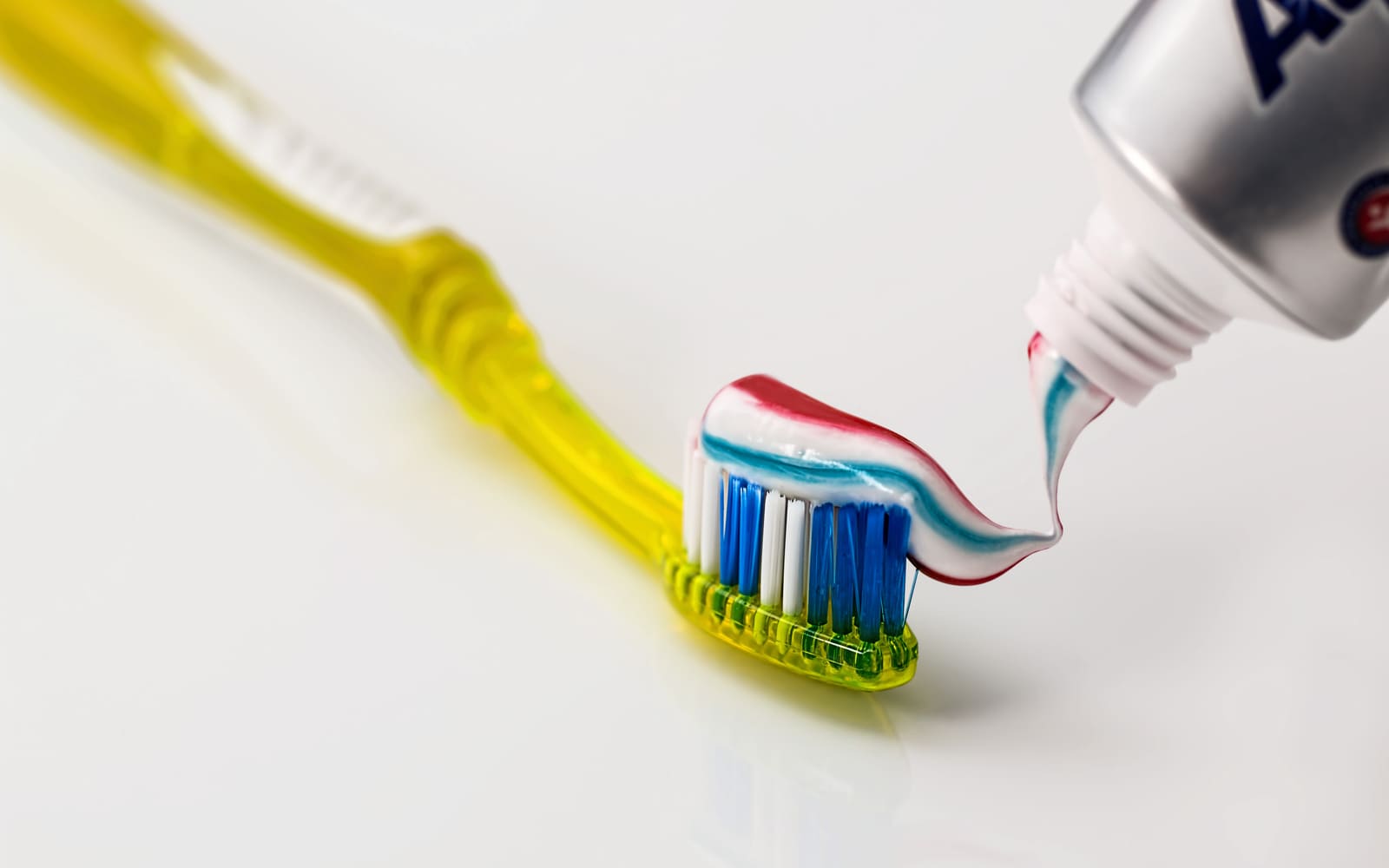
- Desensitizing toothpaste: Often the first line of treatment for mild, generalized sensitivity — it works by blocking the channels in the dentin over a few weeks of regular use.
- Fluoride varnish or gel: Applied in-clinic to strengthen enamel and reduce sensitivity, often used when toothpaste alone isn’t enough.
- Bonding or a filling: If sensitivity traces back to a small area of exposed dentin, gum recession, or a worn spot, a bonded restoration can cover it directly.
- Treating the underlying cause: If a cracked tooth, failed filling, or grinding is the source, sensitivity resolves once that specific problem is addressed — which is why an accurate diagnosis matters more than treating the symptom alone.
What you can do in the meantime
- Switch to a soft-bristled toothbrush and a gentler brushing technique
- Try a desensitizing toothpaste for a few weeks
- Avoid very acidic foods and drinks where possible
- Don’t ignore sensitivity that’s getting worse or localized to one tooth — that’s a sign to get it checked rather than wait it out
Getting the diagnosis right the first time — rather than cycling through desensitizing toothpaste for months before finding the actual cause — is where Dr Megha Kaul’s broad restorative and endodontic background at N Square Dental Care Clinic tends to save patients time.
Frequently asked questions
Why do my teeth suddenly hurt with cold or sweet food? It usually means the protective enamel or gum covering over part of a tooth has worn down or receded, exposing the dentin layer underneath, which reacts to temperature and sweetness.
Is tooth sensitivity a sign of a cavity? It can be, but it’s not always — sensitivity has several possible causes. An exam is the reliable way to tell the difference between a cavity and general sensitivity.
Can sensitive teeth be treated without a filling? Often, yes. Mild sensitivity frequently responds to desensitizing toothpaste or an in-clinic fluoride treatment without needing any restorative work.
How long does it take for desensitizing toothpaste to work? Most people notice improvement within two to four weeks of consistent use; if there’s no improvement, the underlying cause likely needs a different treatment.
Why are my teeth sensitive after a cleaning or filling? Some temporary sensitivity after dental work is normal and usually settles within a few days to a couple of weeks. If it persists or worsens, it’s worth a follow-up visit.
Dr Megha Kaul is one of the most respected dentists in Gurgaon for patients dealing with persistent tooth sensitivity — if cold, hot, or sweet foods have started catching you off guard, N Square Dental Care Clinic can help figure out why and treat it.
Where to find N Square Dental Care Clinic
Address: Shop No. 42, First Floor, Plaza, EMAAR Emerald Estate, Sector 65, Gurugram, Haryana 122101.
The clinic sits inside the EMAAR Emerald Estate plaza, on the Sector 65 stretch of Golf Course Extension Road (SPR) — one of Gurgaon’s main north-south corridors. Below are general routes from a few well-known parts of the city. Road conditions and one-ways in Gurgaon change often, so treat this as a starting orientation and confirm the live route on Google Maps or a similar app before driving — search “EMAAR Emerald Estate, Sector 65, Gurugram” or the clinic’s Google Business listing.
- From DLF Cyber City / Golf Course Road area: Head south on Golf Course Road, then continue onto Golf Course Extension Road (SPR) as it runs through Sectors 56-61 toward Sector 65. EMAAR Emerald Estate is on this same road.
- From NH-8 / IFFCO Chowk / Delhi border: From NH-8, come via Sohna Road, then turn onto Golf Course Extension Road (SPR) toward Sector 65 — the clinic is inside the EMAAR Emerald Estate plaza on this stretch.
- From Sohna Road: Golf Course Extension Road (SPR) connects directly off Sohna Road; follow it toward Sector 65/Sector 61 to reach EMAAR Emerald Estate.
- From the Gurgaon-Faridabad Road / Faridabad side: Golf Course Extension Road connects through to the Gurgaon-Faridabad corridor, giving a direct approach into Sector 65 from the south-east.
- By metro: The nearest metro connectivity is around the Rapid Metro stations near Sector 55-56, from where it’s a short drive along Golf Course Extension Road to Sector 65.
About the author: Dr Megha Kaul has practiced dentistry since 2008 and is the Owner, Founder & Dentist-in-Charge of N Square Dental Care Clinic, Sector 65, Gurugram.
Ready to book a consultation?